




A Practical Guide to Talking to Your Care Team About Diabetes Burnout
How to recognize diabetes burnout, put it into words, and start an honest conversation with your care team without feeling judged.
Managing diabetes is a full-time job that never officially clocks out. Checking glucose levels, counting carbs, adjusting insulin, and making dozens of small decisions every day can wear anyone down over time. When that exhaustion builds up, it has a name: diabetes burnout. It is common, it is not a personal failure, and your care team can actually help once you name it out loud.
This guide covers how to recognize diabetes burnout and how to talk about it with your doctor, nurse, or diabetes educator, even if the conversation feels uncomfortable at first.
What diabetes burnout actually is
Diabetes burnout, sometimes called diabetes distress, is the emotional exhaustion, frustration, and sense of being overwhelmed that can come from the nonstop demands of managing a chronic condition. It is different from clinical depression, though the two can overlap, and it often shows up as a slow drift away from self-care rather than a single bad day.
According to the American Diabetes Association, diabetes distress is extremely common and can affect motivation, blood sugar management, and quality of life if it goes unaddressed.
Signs you might be experiencing diabetes burnout
You do not need to hit every item on this list. Even a few of these, especially if they are new or getting worse, are worth mentioning to your care team:
- Skipping glucose checks, insulin doses, or medications more often than you used to
- Feeling frustrated, resentful, or “over it” when thinking about your diabetes care
- Avoiding appointments or dreading them
- Feeling like nothing you do makes a difference, so why bother
- Eating or making decisions in ways that ignore your diabetes plan on purpose, as a way of pushing back against the constant demands
- Feeling isolated, like no one understands what daily management actually involves
- Physical or emotional exhaustion that a good night’s sleep does not fix
Why it matters to say something
Diabetes burnout is not just an emotional issue. It has real effects on blood sugar control, and unaddressed burnout is linked to higher A1C levels and more diabetes complications over time. Your care team cannot help with something they do not know about, and most diabetes educators and endocrinologists have heard this before. You will not be the first patient to bring it up, and you will not be judged for it.
How to bring it up at your next appointment
You do not need clinical language. Plain, honest words work best. Try one of these to open the conversation:
- “I need to be honest. I’ve been skipping checks and doses because I’m just burned out on managing this.”
- “I know what I’m supposed to be doing, but I’m not doing it, and I think I need help figuring out why.”
- “Can we talk about how I’m coping, not just my numbers?”
- “I feel like my diabetes plan doesn’t fit my real life anymore. Can we look at it together?”
- “I don’t want to keep pretending I’m managing this well when I’m not.”
If it feels easier, write it down and hand it to your provider or read it off your phone. You do not have to say it perfectly, you just have to say it.
What to ask for once you bring it up
A good conversation about diabetes burnout usually leads somewhere specific. Consider asking your care team:
- “Can we simplify my routine? Is there a simpler regimen or device that might reduce the daily burden?”
- “Can you refer me to a certified diabetes care and education specialist?”
- “Is there a therapist or counselor who works specifically with chronic illness or diabetes distress?”
- “Are there diabetes support groups, in person or online, that you’d recommend?”
- “Can we set smaller, more realistic goals for the next few months instead of a perfect routine?”
Practical ways to lighten the daily load
While you work with your care team on longer-term changes, a few smaller shifts can help right away:
- Pick one or two habits to focus on at a time instead of trying to do everything perfectly
- Use reminders or alarms for doses and checks so you are relying less on willpower alone
- Connect with a diabetes support group, in person or through organizations like the American Diabetes Association, so you are not carrying this alone
- Give yourself credit for what you are doing, not just what you are missing. Diabetes management is never truly “finished,” and perfection is not the goal
When to ask about additional mental health support
If burnout comes with ongoing sadness, hopelessness, anxiety, or loss of interest in things you used to enjoy, lasting most days for two weeks or more, that may be more than typical diabetes distress. Ask your care team for a referral to a mental health professional, ideally one familiar with chronic illness. This is not a separate problem from your diabetes care, it is part of it.
Key takeaways
- Diabetes burnout is common, real, and linked to how well blood sugar stays managed over time, not a personal failing
- Watch for skipped checks or doses, dread around appointments, and feeling like your efforts do not matter
- Use plain, direct language to raise it with your care team. You do not need clinical terms, just honesty
- Ask specifically about simplifying your routine, referrals to a diabetes educator, or connecting with a therapist familiar with chronic illness
- Small, realistic goals and reminders can ease the daily load while you work on longer-term changes with your team
- If burnout comes with ongoing sadness or hopelessness for two weeks or more, ask for a mental health referral. It is part of good diabetes care, not separate from it
Sources
- American Diabetes Association, Diabetes Burnout https://diabetes.org/health-wellness/mental-health
- American Diabetes Association, Diabetes Distress https://professional.diabetes.org/sites/default/files/media/ada_mental_health_toolkit_handouts_r3.pdf
- Centers for Disease Control and Prevention, Diabetes and Mental Health https://www.cdc.gov/diabetes/living-with/mental-health.html
Share:
You Might Also Connect With
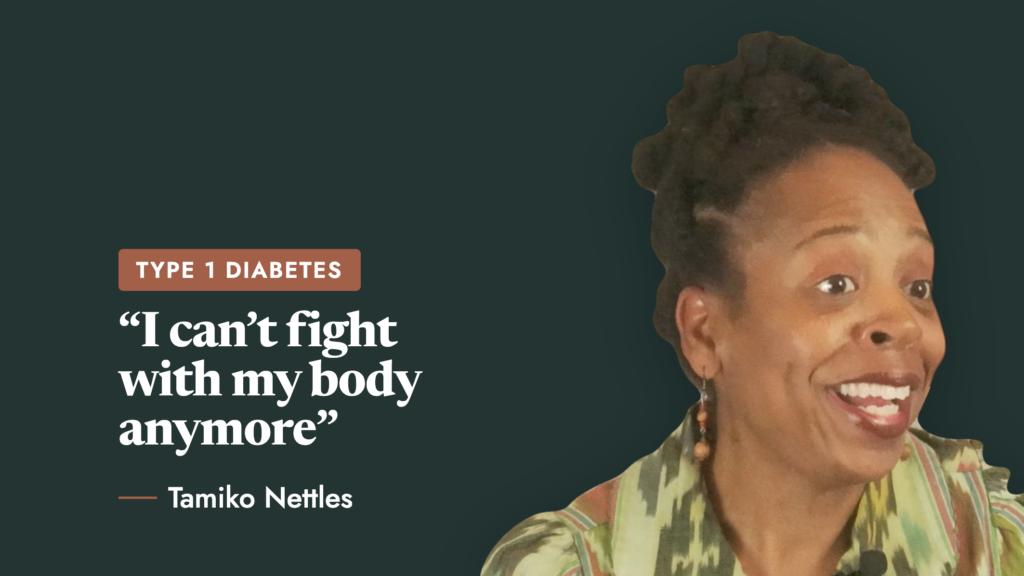
Tamiko’s Type 1 Diabetes Story: More Than 20 Years of Learning to Listen to Her Body
Tamiko was diagnosed with type 1 diabetes in college, just before spring break. Here is how she learned to advocate for herself and make peace with her body.

The Nurse Told Him His Blood Sugar Was 283. His Daughter Is the Reason He Changed Course
Marcus ignored the warning signs of type 2 diabetes for nearly a decade. A single phone call, and a picture of his little girl, finally made him act.

A Men’s Health Checkup Guide: What to Ask at Every Stage of Adult Life
Straightforward, judgment free guidance on the screenings and conversations that matter at every decade
