




Finding Her Voice: One Woman’s Colorectal Cancer Story
Diagnosed with colorectal cancer in her late 40s, before she was even old enough for routine screening, Denise learned that speaking up for herself was one of the healthiest choices she ever made
Denise was 48 years old when a trip to the emergency room changed the direction of her life. She had gone in thinking she had food poisoning. The pain in her stomach was so bad she could not stand up straight.
“Initially, the pain felt like food poisoning,” she said.
The doctors on duty that night suspected constipation. They ran a few simple tests and sent her home with instructions to follow up with her family doctor. It was the next day, going over those test results, that something more serious turned up: a thickening in the wall of her colon.
Denise had never had a colonoscopy. In 2016, the recommended age to start regular colorectal cancer screening was 50. She was two years away from that milestone, so she had never been flagged for a routine test. It took her own persistence, and a fight with her insurance company, to get a colonoscopy approved at all. Because she already had symptoms, the test was eventually approved as diagnostic rather than preventive screening.
Denise believes that colonoscopy saved her life.
The first diagnosis was stage III colorectal cancer. After more scans to see how far the disease had traveled, doctors upgraded it to stage IV.
“My initial reaction was shock. I felt numb,” she said.
A story that reflects a bigger trend
Denise’s experience was not an isolated case. Colorectal cancer rates have been falling in older adults for years, but they have been climbing in people under 50. Colorectal cancer is now the leading cause of cancer death for Americans younger than 50. Screening guidelines have since shifted because of this trend. Since 2018, people at average risk are advised to start screening at 45 instead of 50. For Denise, that change came two years too late.
Years of treatment
A month after her diagnosis, Denise had surgery to remove part of her colon. Six weeks later, a blood test showed a rising tumor marker, and a follow up scan found that the cancer had spread. She started chemotherapy every other week, a routine that would continue, with some breaks for good scan results, for the next several years.
In 2023 she had radiation. When the cancer reached her lungs, she had surgery to remove the affected tissue, first one lung and later part of the other. In 2025, doctors placed a stent to support her bladder and kidney function, something she now has replaced every three months as part of her ongoing care.
“I fully expected the process to be over within a few months,” she said. “I had no idea that I would still be trusting for complete healing nine years later.”
Learning to use her voice
Somewhere in the middle of all this, Denise decided that fear would not be the thing she modeled for her children.
“I had been paralyzed by fear,” she said. “If I had to leave my children a legacy, it was not going to be one of fear.”
She started asking more questions. She wanted a say in choosing her own surgeon and her own treatment facility. She wanted plain answers about biomarker testing, what it actually was, whether she needed it, and how it would be billed. As a Black woman navigating a health system that does not always listen closely to Black patients, she came to see speaking up as a form of self-protection.
“Self-care is not selfish,” she said. “Cancer has a voice. There’s no reason the cancer patient shouldn’t.”
She has kept learning ever since, leaning on a national cancer organization’s website and helpline for information along the way.
“The more I learn, the better I cope,” she said.
Carrying the weight
Being informed did not erase the emotional toll. Denise still lives with what she calls “scanxiety,” the dread that builds before every scan and test, along with an ongoing fear that the cancer could come back. Therapy has helped her carry it. So have cancer support groups, her husband of 36 years, her children, and her church community.
“Don’t be afraid to talk to someone,” she said. “There is strength in numbers.”
What she wants people to know
These days, Denise thinks about her story less as a hardship to survive and more as something worth putting to use.
“If I can reflect a life of service, that’s the best life,” she said. “The wealthiest person is not just the person who is cancer-free, but the person who is willing to work to ensure that others are also.”
She still goes in for regular scans. She still has hard days. But she has landed somewhere that feels, to her, like clarity.
“I think cancer helped me realize the importance of living a life filled with love, rest, compassion, and joy,” she said.
Key takeaways
- Colorectal cancer is rising in adults under 50, and it is now the leading cause of cancer death in that age group, so persistent symptoms should never be dismissed just because a patient is younger than the old screening age of 50.
- Screening guidelines changed in 2018 to recommend starting at 45 instead of 50, a shift too late for Denise but potentially life saving for others.
- Self-advocacy, including pushing back on insurance denials and asking direct questions about treatment options and billing, can materially change the course of care.
- A stage III or stage IV diagnosis does not mean the story is over. Denise’s treatment has spanned nine years and multiple surgeries, and she is still here to tell it.
- The emotional weight of cancer, including “scanxiety” and fear of recurrence, is real and deserves the same attention as the physical treatment. Therapy, support groups, and community made a measurable difference for Denise.
- Finding purpose in sharing her story became part of Denise’s healing, not despite the hard parts of her journey, but because of them.
Sources
- From Fear to Advocacy: How Janice Johnson Found Her Voice and Her Life, American Cancer Society Stories of Hope https://www.cancer.org/cancer/latest-news/stories-of-hope/how-janice-johnson-found-her-voice-and-her-life.html
Share:
You Might Also Connect With

What Happens After a Cancer Diagnosis: A Guide to the First Days and Weeks
The days right after hearing “you have cancer” can feel like a blur. Here is a clear, plain language walk through of what usually comes next.

“Back to Normal” Is Not How Cancer Survivorship Works
The myth that finishing treatment means life snaps back to how it was ignores the real, lasting effects survivors live with, and it leaves too many without support.
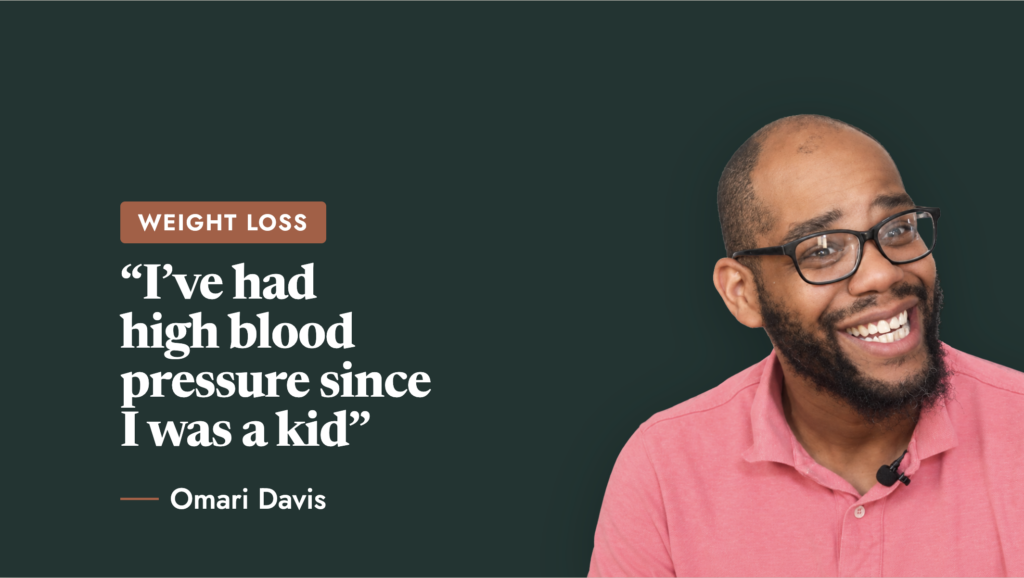
From ‘husky kid’ to fit: weight loss from diet change
Omari Davis calls parts of his childhood as creating the perfect storm that led him on his eventual weight loss journey.
